
Tool Soup Syndrome
Growing organisations often fall into the trap of grabbing one more tool for “that one little issue”—then you get another, and another—until your tech stack resembles a cluttered pot full of disconnected apps, automations and spreadsheets.
CASE STUDY
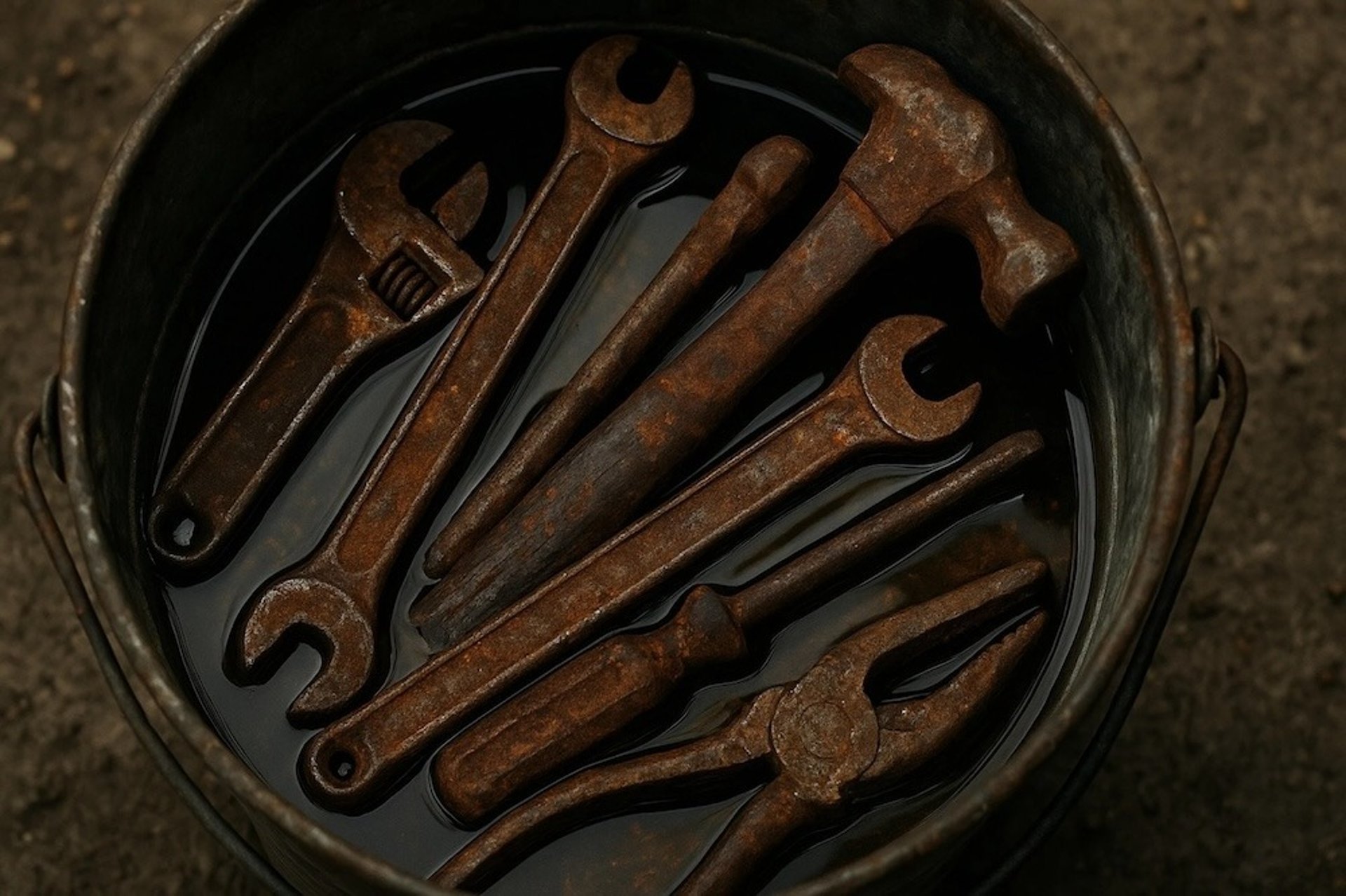
Growing organisations often fall into the trap of 'one more tool'—then another, and another—until your tech stack resembles a cluttered pot full of disconnected apps, automations and spreadsheets.
Tool Soup Syndrome Drowns Businesses in Software Chaos
Disconnected Software Forces Frustrating Manual Workarounds
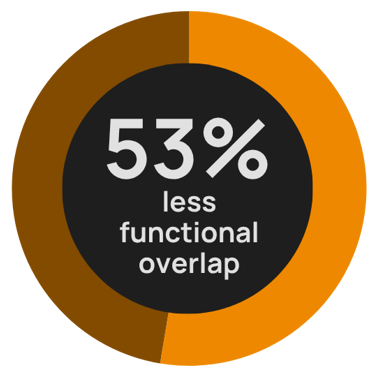
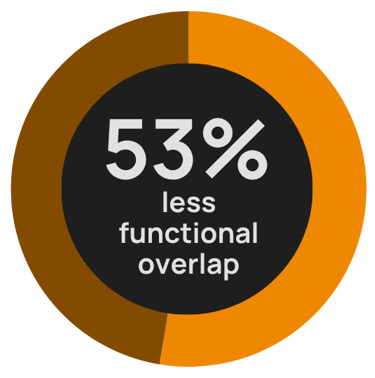
Consolidating Your Stack Eliminates Toxic Functional Overlap
Fewer Hand-Offs Accelerate Core Workflows Fourfold
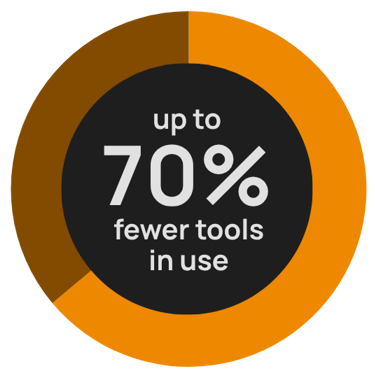
Strategic Consolidation Cuts Active Software Bloat by 70%
KEY TAKEAWAYS
THE CHALLENGE
Reality Check: You bought software to solve problems, but now managing the software is the problem. When your tech stack contributes more to your operational friction than to your execution, you don't have a system anymore—you have chaos.
Fast-growing companies frequently fall into the same trap: adding a new app for every new problem. Over time, these uncoordinated platforms create a fragmented ecosystem where nothing talks to each other.
Recognise these operational bottlenecks?
The Integration Void: Marketing leads fail to sync cleanly with your sales CRM.
The Visibility Black Hole: Project management boards become silos where critical updates go to die.
The Security Risk: Finance processes rely on insecure, scattered drives to store sensitive invoice data.
The Manual Tax: Operations teams waste hours manually pulling data, copying and pasting, and chasing updates across dozens of open browser tabs.
The Verdict: Your team is frustrated, execution slows down, and tasks that should take an afternoon take weeks. It's not a toolkit—it's a Tool Soup, and your business is drowning in it.
OUR APPROACH
Step 1: Map the Chaos
We always start by laying everything out on the table—every tool, every automation, every hand-off, every “oh yeah, we use that thing too." that you've been relying on every day for the past two years.
Most businesses don’t even realise how many moving parts they’ve accumulated over the years until we show them.
Step 2: Trace the Flow
Then we follow your current processes and data like a detective follows clues.
Where does it enter? Where does it go next? Where does it end? What's the outcome?
Nine times out of ten your tools aren't the issue.
It’s the fact they don't efficiently talk to each other.
Step 3: Consolidate and Simplify
We then identify the overlaps, the redundancies, and 'zombie tools' you think are critical but no one actually uses anymore. Then we can design your teams a lean, purpose-built stack that supports the business instead of smothering it.
Preserving the tools you love where we can, while closing the serious gaps in your processes to help your business grow.
Step 4: Automate with Intent
Once we've found all the gaps, and let you know where they are it's time ti build clean, secure, and efficient automation flows. Processes that are owned, monitored, and most importantly fail-safe—so your business isn’t dependent on whoever set it up two years ago.
Giving you the best of both worlds, the tools you love to use, and the connectivity your business needs to continue to thrive and grow.
Step 5: Monitor and Improve
A tidy stack today can turn messy tomorrow if it’s left unchecked.
Regular tracking of usage, breakpoints, and overlaps keeps the system sharp and responsive.
We provide you with continuous monitoring and tuning to ensure your stack works with your business—not against it.
THE IMPACT WE SEE
After de-tool souping businesses typically experience:
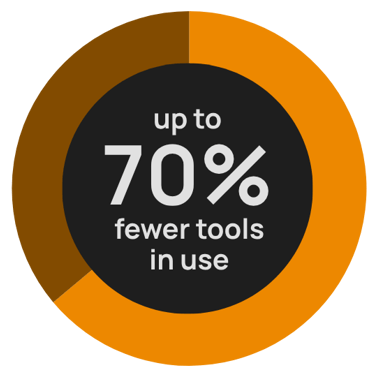
40–70% fewer tools in active use.
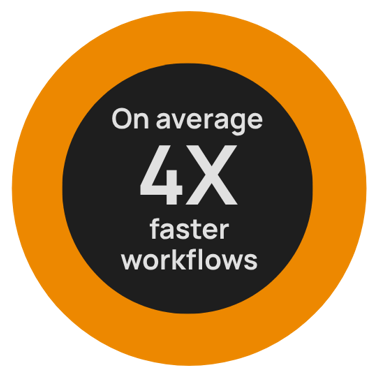
4x faster workflows with fewer hand-offs and zero tab-hell.
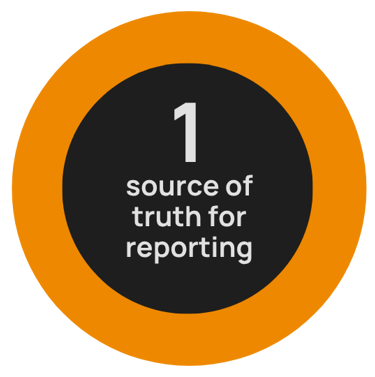
One source of truth for data, reporting, and decision-making.
53% less tool overlap per business function
Resilient automations that don’t crumble the moment someone goes on leave.
Happier teams who feel like their tools are working with them, not against them.
IT'S TIME TO IMPROVE YOUR PROCESSES
Note: This case study uses averaged data drawn from similar client projects across various industries. It illustrates common challenges and typical results for businesses facing similar operational complexity, based on industry best practice and founder expertise.
Tool Soup Syndrome isn’t about bad tools.
It’s what happens when good tools multiply without strategy.
And unlike a single broken system, soup doesn’t explode in one big bang. It leaks silently. It wastes hours quietly. It kills momentum slowly.
The good news?
You don’t need to burn it all down.
You just need to clean the kitchen, simplify the stack, and rebuild with intention.
👉 If your team is living in tool-hell, it's not be your people. It might just be tool soup.


We acknowledge the Traditional Custodians of country throughout Australia and their connections to land, sea and community; and pay respects to Elders past and present and extend that respect to all Aboriginal and Torres Strait Islander peoples today.
Get in Touch